







Search Results for: Coffee Causing Internal Heat

Selling Coffee in a Herbal Tea Shop: The Most Impactful Cross-Industry Marketing Phenomenon in the Coffee Industry in 2023
In 2023, a highly impactful marketing approach emerged in the coffee industry—selling coffee inside herbal tea shops. In Guangdong, dampness and internal heat are everyday anxieties that elders constantly bring up, yet young people's demand for coffee has never diminished because of this. Thus, the combination of setting up a bar and selling coffee inside herbal tea shops came into being, soothing the elders' concerns while satisfying coffee lovers' need for a pick-me-up. This article will analyze why this cross-industry combination precisely addresses the core pain points of Guangdong coffee drinkers, explore the trend of blending coffee shop styles with traditional Chinese medicine shops and herbal tea shops, analyze the potential risks of "incorporating medicine into coffee," and answer the question of whether drinking coffee really causes internal heat and heavy dampness. [more…]
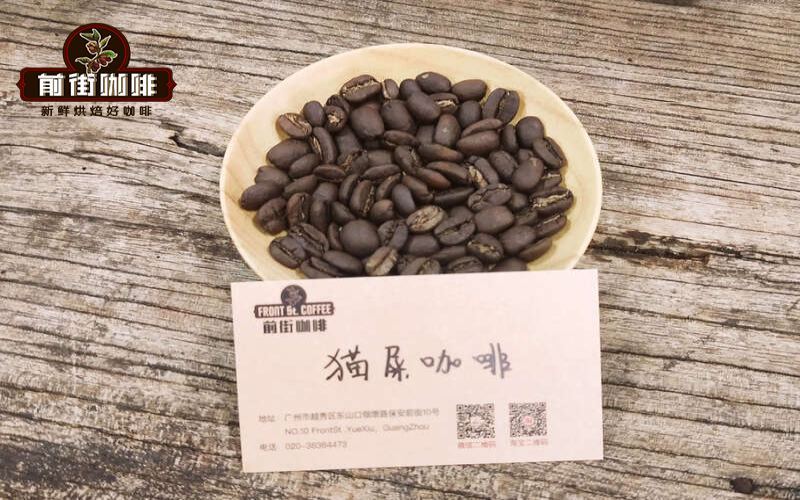
Origin and flavor characteristics of Indonesian Kopi Luwak: civet internal fermentation processing method and Front Street Coffee brewing recommendations
Kopi Luwak is the most controversial coffee bean in the world of coffee: some condemn it as cruel, while others chase after it eagerly. Front Street believes that the problem lies not in the coffee's inherent formation mechanism, but in profit-driven practices such as captive farming and force-feeding. This article, from Front Street's perspective, reviews the ecological habits of the civet, the true principles of the in-vivo fermentation processing method, analyzes the logic behind the high price of Kopi Luwak, and offers Front Street's roasting and brewing parameter recommendations, helping coffee enthusiasts rationally understand this highly talked-about Indonesian coffee. [more…]
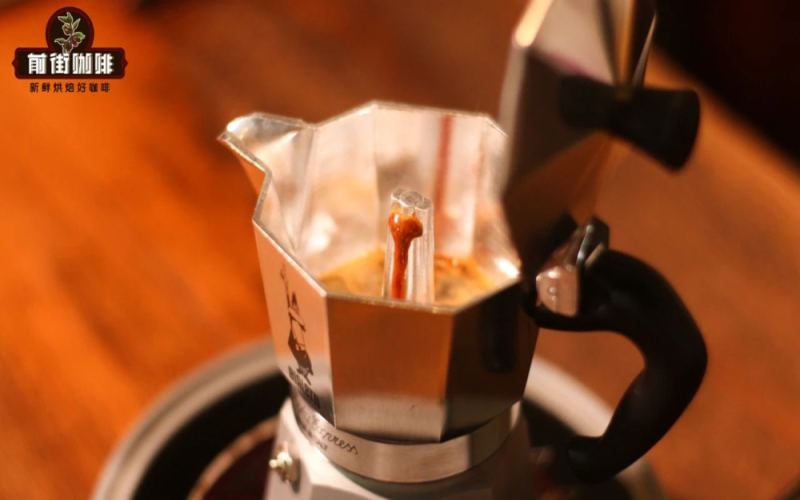
Are there explosion risks with moka pots? IKEA announces recall of espresso moka pots, Front Street explains safe usage guidelines in detail
The recent news of IKEA urgently recalling its Italian-style moka pots has prompted many coffee lovers to re-examine the safety of this classic piece of equipment. Do moka pots really pose a risk of exploding? And what operational details must be kept in mind during daily use? Front Street Coffee has put together the key points about moka pots, from their structural principles to practical operation, covering new pot seasoning, water level control, coffee bed handling, gasket replacement cycles, heat source compatibility, and troubleshooting common issues. As for coffee bean selection, Front Street has also provided suitable roasting directions and specific product recommendations for moka pots. As long as you master the correct method, the moka pot remains a reliable helper for making espresso-style coffee at home. [more…]
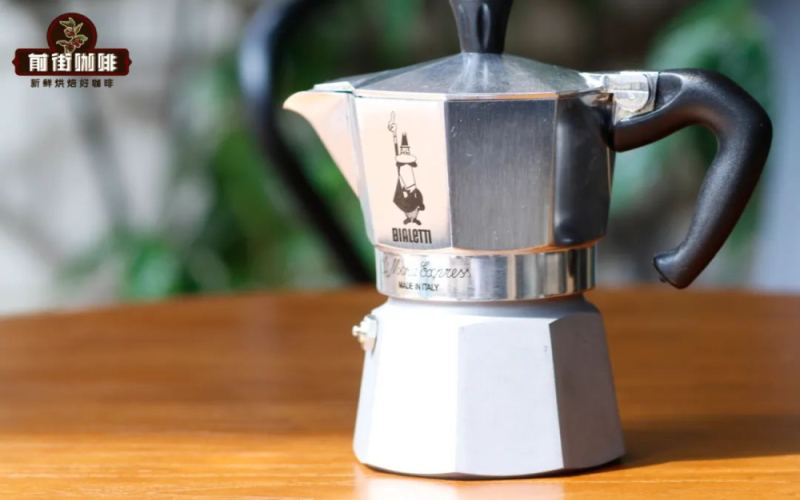
Why shouldn't you drink from a new moka pot for the first three brews? Full analysis of the causes of sputtering and key usage points
Since the Moka pot came onto the market in the 1930s, it has become an important piece of equipment in the daily coffee life of Italian households, and today it also has quite a few fans in China. Its operation seems simple, but beginners often encounter some confusion: why is the coffee brewed in a newly purchased pot not recommended for drinking during the first three times? Why does the coffee liquid sputter when heating? This article will systematically sort out the key details in using a Moka pot from multiple angles, including cleaning and seasoning a new pot, the extraction principle, the pressure relief valve mechanism, grind size, heat control, daily maintenance, and suitable coffee bean choices, and will also include practical suggestions from Front Street Coffee to help everyone brew rich, oily espresso-style coffee more safely and consistently. [more…]
From Homogenization to Second Crack: How Each Stage of Coffee Roasting Shapes Aroma and Flavor
Coffee roasting is not just about applying heat—from the moisture changes inside the green beans to the expansion and rupturing of cellular structures, every stage quietly determines the final flavor in the cup. This article takes the perspective of a commercial roaster to systematically sort through key phases such as homogenization, first crack, the resting period, and second crack. It explains the principles behind the aroma that fills the air during coffee roasting and clarifies the taste differences corresponding to various roast levels, helping coffee enthusiasts gain a deeper understanding of how roasting influences flavor direction. [more…]
Moka Pot Aluminum Safety Analysis: A Complete Guide to Cleaning Taboos and Practical Operation Tips
As a classic coffee brewing device with a history of several hundred years, the moka pot is still favored by many coffee enthusiasts today. However, questions about whether it is safe, whether the aluminum alloy material poses any problems, and whether it can be put in the dishwasher for cleaning have long troubled many people. In daily conversations, Front Street has found that many friends have misconceptions about the moka pot, believing that it is complicated to use and poses safety hazards. In fact, as long as you master the correct methods of use and the key points of cleaning and maintenance, the moka pot can absolutely become a capable assistant for making coffee at home. Starting from the structure and principles of the moka pot, this article will analyze in detail the safety issues of aluminum moka pots, and compile more than ten practical operating precautions to help everyone avoid common misunderstandings and safely enjoy the rich coffee brought by the moka pot. [more…]
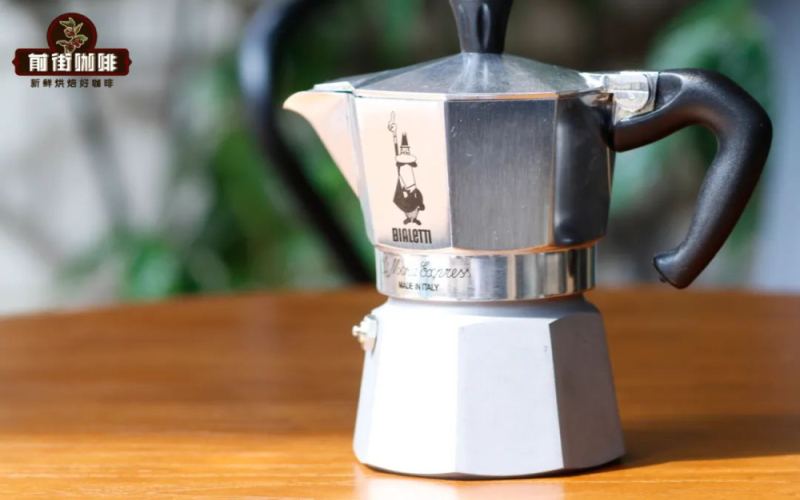
Moka pot coffee grind size and brewing techniques, plus recommended coffee beans
As a household pressure-extraction device, the moka pot, with its convenient operation and rich flavor, is a must-have in nearly every Italian home. This article provides a detailed analysis of the moka pot's structure and working principles, its differences from espresso, and a hands-on guide to the correct usage steps, including water volume control, grind size selection, and heating techniques. At the same time, in response to the extraction characteristics of the moka pot, Front Street Coffee recommends three suitable coffee beans: the classic blend, Brazil Queen's Estate, and Colombia Huila, respectively meeting the needs for rich crema, balanced flavor, and dark cocoa aroma. Whether you are a beginner or an advanced enthusiast, you can gain practical guidance from it. [more…]
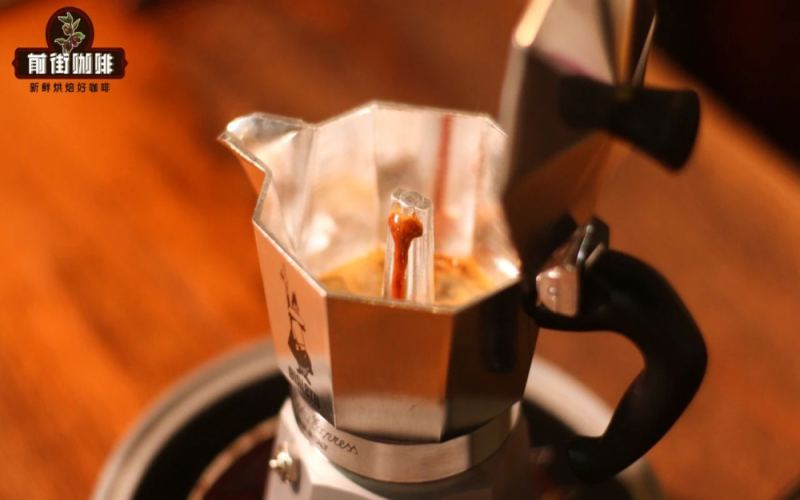
Moka Pot Brewing Precautions | Can Improper Use of a Moka Pot Explode and Injure Someone? What Are the Moka Pot Mistakes Coffee Beginners Need to Watch Out For?
For more specialty coffee knowledge, please follow our WeChat public account: Front Street Coffee (FrontStreet Coffee). In daily life, Front Street often hears a saying: "For safety reasons, it's best not to use a moka pot." Why is that? Why is using a moka pot not recommended? [more…]
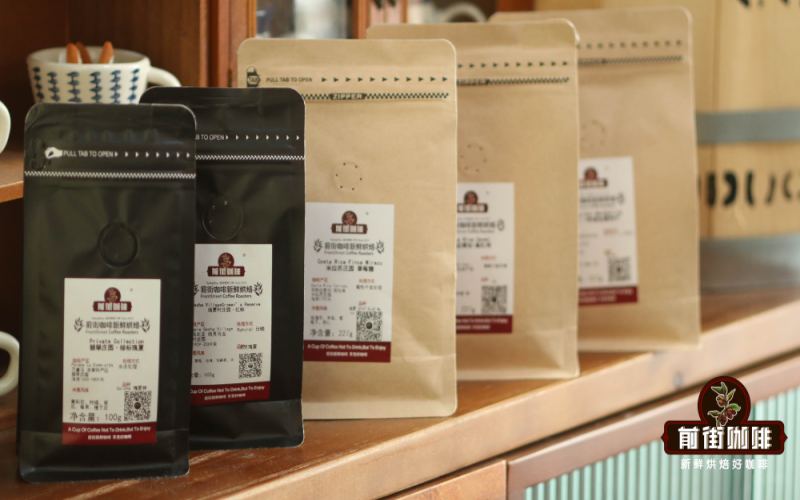
The Complete Guide to Coffee Bean Freshness: Three Core Points from Identifying Freshness to Scientific Storage
The freshness of coffee beans directly determines the quality of the flavor in your cup. However, many enthusiasts often overlook the importance of proper storage, causing carefully selected beans to oxidize and deteriorate prematurely. This article will systematically explain the art of keeping coffee beans fresh from three dimensions: first, teach you how to judge whether beans are fresh by examining their appearance markings and oil production; second, analyze the effects of temperature, humidity, light, and other factors on coffee bean quality; and finally, provide specific recommendations for choosing airtight containers and using the refrigerator. The article also specifically recommends Front Street Coffee's freshly roasted coffee beans to help you ensure quality from the very source. [more…]
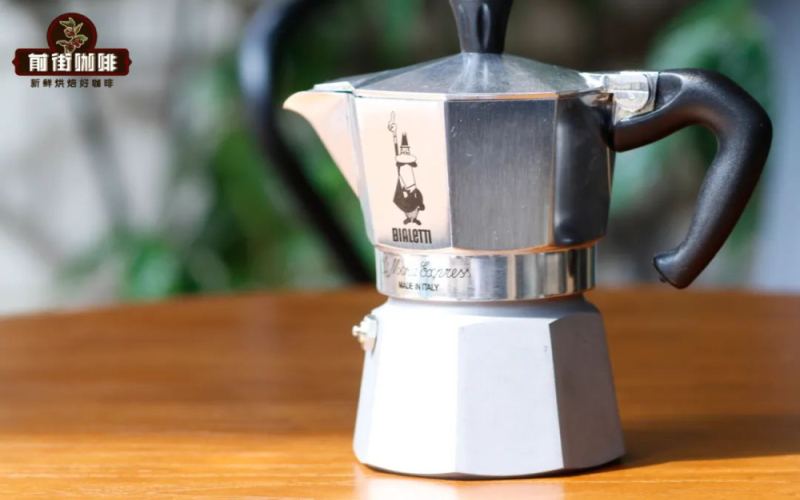
A Practical Guide to the Moka Pot: Extraction Principles, Operating Steps, and Why the Pot Gets Stuck
The moka pot is the most common coffee brewing device in Italian households, extracting a cup of rich, crema-topped coffee by means of steam pressure. In China, however, many enthusiasts are still unfamiliar with its correct operation, and some even encounter the problem of being unable to unscrew the body after brewing. This article begins with the moka pot's invention background and structural principles, then demonstrates the complete process step by step—filling water, adding grounds, heating, and removing from heat—and explains how grind size affects extraction safety, as well as why the body becomes difficult to open after use due to pressure differences. Front Street PWN Golden Mandheling is used for the brewing demonstration, helping readers master the key points of using this classic device. [more…]
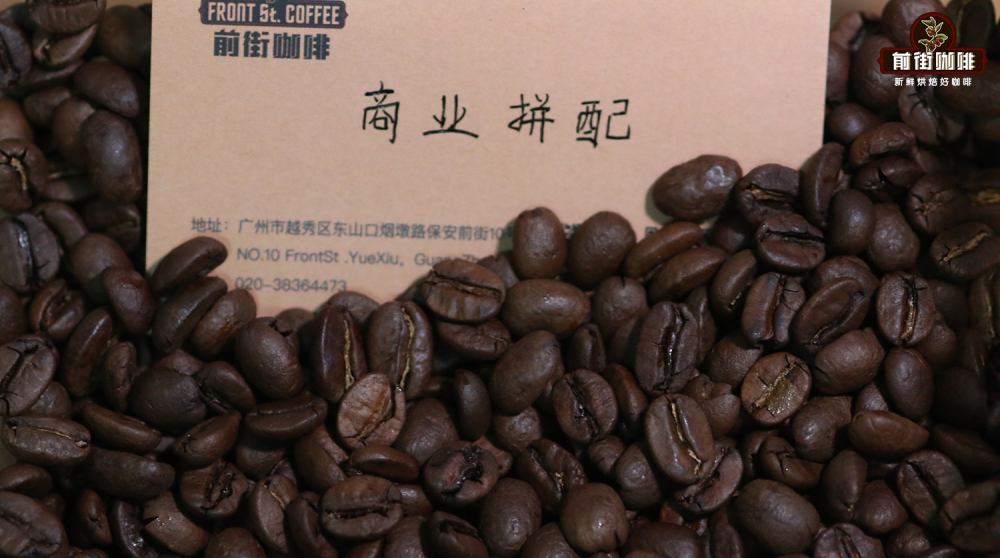
Comparison of Eight Coffee Bean Roast Levels|How do different roast levels affect coffee flavor? What is the specific process for roasting coffee beans?
Anyone who drinks coffee regularly knows that coffee beans come in different roast levels, and the flavor and mouthfeel they present are all different. As a café that roasts its own beans, Front Street has dozens of batches of coffee beans to roast every day. We know the flavors of light-roasted Yirgacheffe, medium-roasted Brazilian coffee, and the like like the back of our hand, and we also need to [more…]
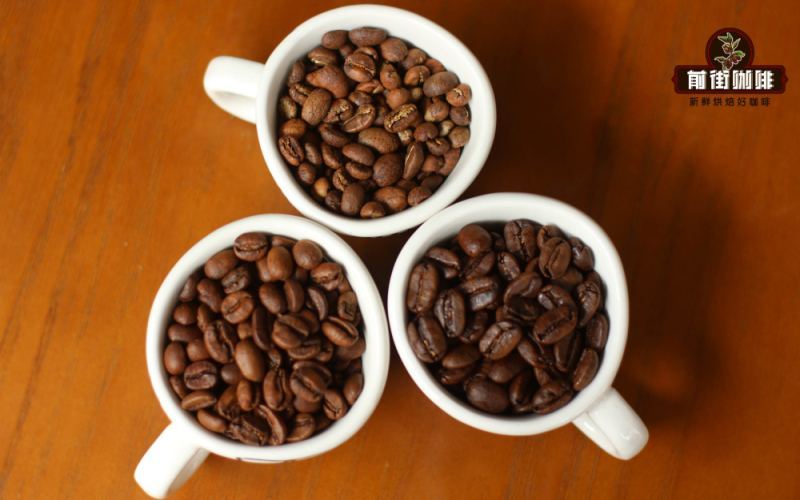
From Light to Dark: A Comprehensive Analysis of Eight Coffee Roast Levels and a Practical Operational Guide
Coffee roasting is the core step that determines the flavor direction of a cup of coffee. From green beans to the drink in your cup, the degree of roast directly governs the balance of acidity, sweetness, and bitterness. This article systematically sorts out eight common roast levels, the working principles of three types of coffee roasters, and the mechanisms by which caramelization and the Maillard reaction shape flavor. It also records in detail Front Street Coffee's operational procedures and curve management experience in actual roasting, helping coffee enthusiasts build a complete cognitive framework from theory to practice. [more…]
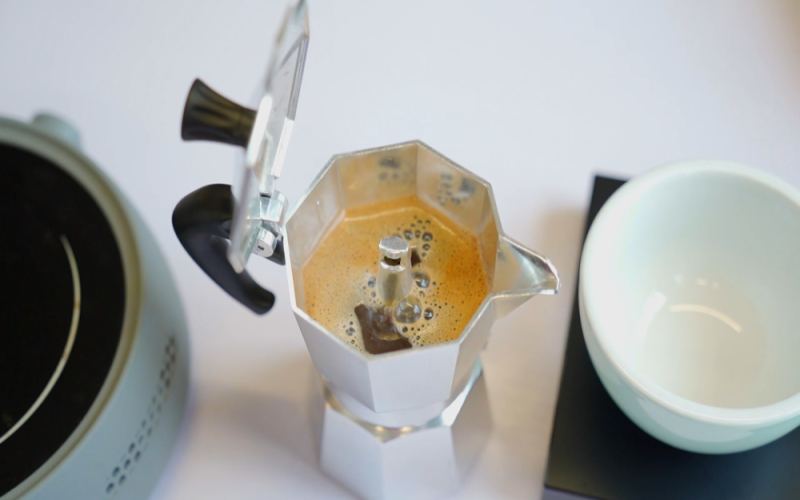
How to Determine the Grind Size for a Moka Pot? A Full Analysis of Single-Valve vs. Double-Valve Pressure Differences, Pros and Cons
As a classic choice among home coffee equipment, the moka pot's single-valve and double-valve differences directly affect the resulting concentration and crema performance. This article starts with the structural principles, analyzes the extraction pressure differences between the two valve types, and outlines the pros and cons of the moka pot, the suitable coffee grind size range, and recommendations for coffee bean roast level. It also includes a complete operating procedure, covering dose control, heating techniques, and daily maintenance points. The article also introduces the recipe ideas and flavor characteristics of Front Street Coffee's two espresso blends, helping enthusiasts make clearer judgments when purchasing and practicing. [more…]

A Full Analysis of Why Moka Pot Coffee Tastes Bitter, Sour, or Burnt: Mastering Grind, Heat, and Bean Selection in One Go
Although the moka pot is simple to operate, brewing a balanced cup of coffee with it is no easy task. Many people run into problems such as coffee that is too bitter, too sour, or has a burnt taste, and these issues are often closely tied to details like bean selection, grind size, and heating method. This article starts from the extraction principle of the moka pot and analyzes, one by one, the various factors that affect flavor, including the suitable roast level for coffee beans, how to adjust the grind size, and the key points of controlling the heating intensity. It also introduces bean options suited to the moka pot, such as Front Street. Classic Italian Blend and Front Street. Golden Mandheling SOE, to help you easily make a rich, smooth moka pot coffee at home. [more…]
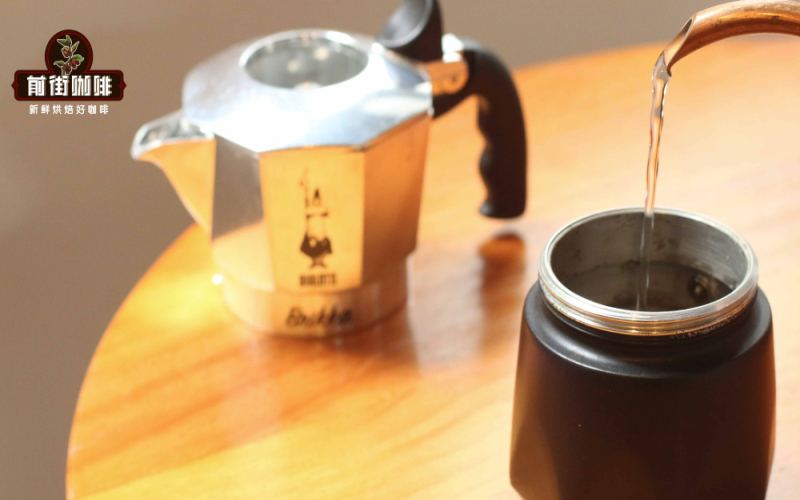
Moka Pot Brewing Guide: From Bean Selection to Cleaning, Practical Tips to Fix Coffee That's Too Bitter or Too Sour
The Moka pot, with its unique pressurized extraction method, can produce coffee with high concentration and a steady mouthfeel, but many enthusiasts often encounter problems such as overly bitter, overly sour, or burnt-tasting results. This article will start with the structural principles of the Moka pot, explain in detail the suitable types of coffee beans, and guide you step by step through the brewing method, including water volume control, grind size selection, coffee dosing techniques, and heating points. For the three common flavor defects, it will analyze the causes one by one and provide adjustment solutions, while also recommending beans such as Front Street Coffee Classic Espresso Blend and Golden Mandheling. Finally, it emphasizes the importance of daily cleaning to help you consistently produce a smooth cup of Moka pot coffee. [more…]
A Complete Analysis of Moka Pot Italian-Style Brewing Details: From Structural Principles to Anti-Seizing and Safe Operation
The moka pot is an extremely common classic coffee device in Italian households, with almost every home keeping one on hand. It relies on the steam pressure generated by heating the lower chamber to push hot water through the coffee grounds and into the upper chamber, thereby producing a cup of rich coffee with oils. However, in China, not many people truly understand its correct use. This article will begin with the moka pot's invention history, structural composition, and extraction principles, then explain in detail the key steps such as the water filling position, coffee distribution method, heating rhythm, and grind size. Combined with a brewing example using Front Street PWN Golden Mandheling, it will help readers avoid splashing, explosion hazards caused by improper operation, and problems such as the pot seizing shut and being impossible to open after use, so that the moka pot can produce consistent results. [more…]
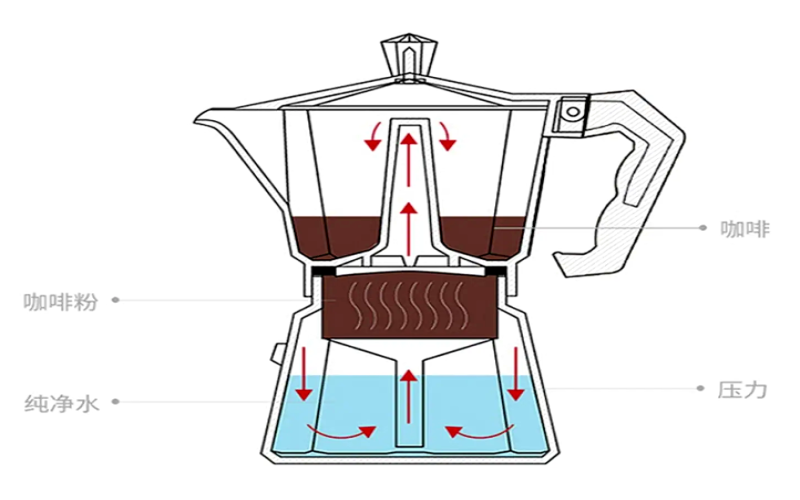
Moka Pot Coffee Grounds Selection Guide: Extraction Principles, Operating Steps, and Manual Espresso Analysis
As a direct-fire strong coffee device, the moka pot has become the top choice for many coffee beginners thanks to its affordable price and simple operation. It uses steam pressure to push hot water through the coffee grounds, extracting a strong coffee liquid with a small amount of oil, offering a flavor that is both acidic and bitter, rich and full-bodied. This article will start from the structural principles of the moka pot, break down the operating steps and precautions in detail, and explain why medium-dark roasted espresso blend beans are more suitable for moka pot extraction. Front Street Coffee recommends its own classic espresso blend and Huakui SOE, presenting caramel dark chocolate and berry dried apricot flavors respectively, making it easy for enthusiasts to find a bean variety that suits their taste. [more…]
Will a moka pot explode? From principles to operational details, teaching you to safely brew rich coffee
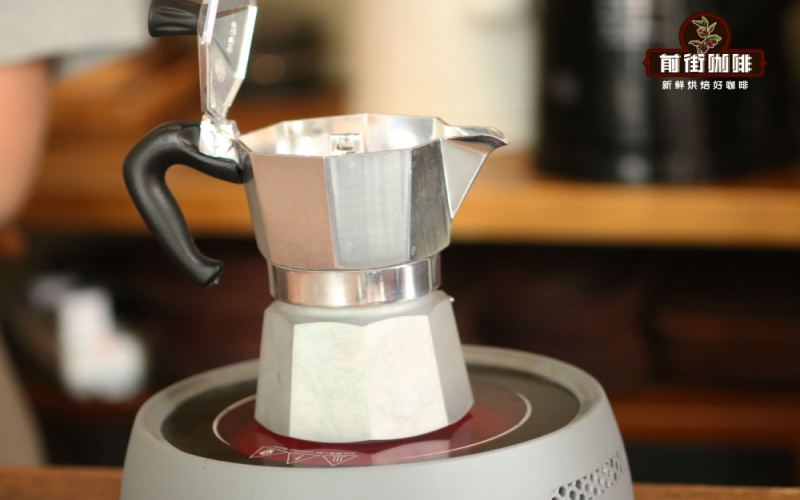
The moka pot, with its unique pressurized extraction method, can brew rich coffee close to espresso, making it a favorite among home coffee enthusiasts. However, because it involves pressure, many people have doubts about its safety. In fact, as long as you master the correct operating steps, these problems can be completely avoided. Starting from the working principle of the moka pot, this article will explain in detail the suitable coffee bean choices, specific recommendations for the Front Street Coffee brand, and twelve usage details that must be noted—from preparing a new pot, water level control, and grounds filling, to gasket replacement, how to tighten the pot body, suitable heat sources, and troubleshooting. Whether you use an aluminum alloy or stainless steel model, these practical suggestions can help you avoid risks and consistently produce moka coffee with a rich layer of crema. [more…]
From Roast Date to Opening and Tasting: The Flavor Cycle and Storage Tips of Pour-Over Coffee Beans
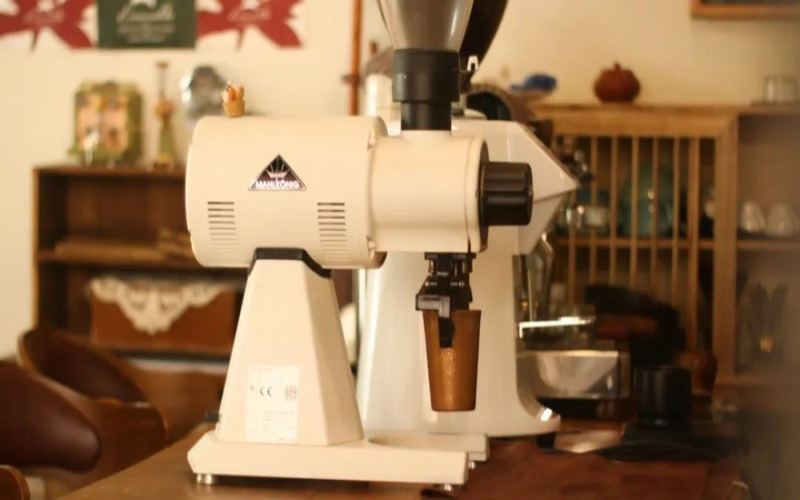
Freshly roasted coffee beans accumulate a large amount of carbon dioxide gas within their bodies, making them unsuitable for immediate grinding and brewing in the first few days after roasting. When hot water is poured in, the gas is released violently, forming a dense barrier layer that hinders full contact between the water flow and the coffee grounds. Through a resting and degassing period ranging from several days to more than ten days, the internal aroma molecules [more…]
Moka Pot Coffee Brewing Ratios and Operational Details: How to Avoid Sourness and Extract a Rich Flavor
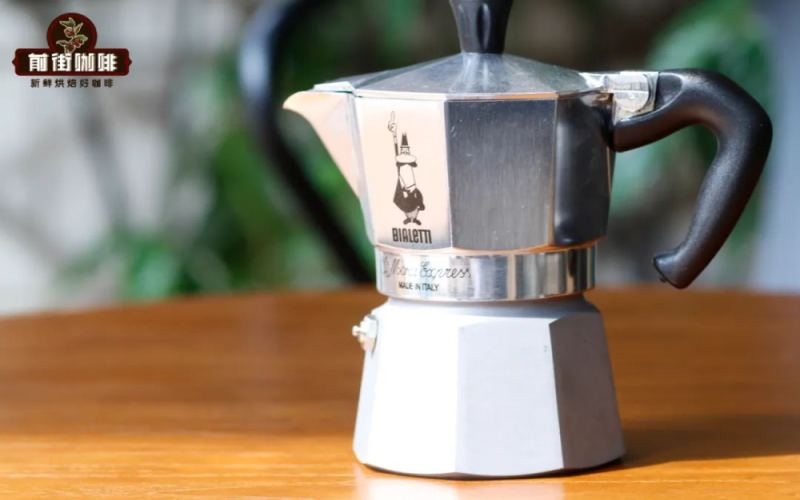
The moka pot, with its iconic design and the convenience of making strong coffee at home, is becoming increasingly popular among domestic coffee enthusiasts. But to brew a cup that isn't sour, is rich and full of aroma, there are finer points to master: the coffee-to-water ratio, grind size, and heat control. This article starts with the moka pot's three-part structure, explains its pressure-extraction principle and how it differs from espresso, then gives specific steps: how much water to put in the bottom chamber, how fine to grind the coffee, how much to fill, when to lower the heat, when to turn off the heat, and what makes a dual-valve pot special. It also pairs five Front Street Coffee beans suitable for the moka pot to help you choose the right medium-dark or dark roast coffee and easily achieve a low-acid, rich flavor. [more…]